
 mooreofrachel
How perspective, purpose, and process control engineering shaped my leadership approach.

What makes a leader effective is not just experience—it’s perspective shaped under pressure, in environments where results matter most.
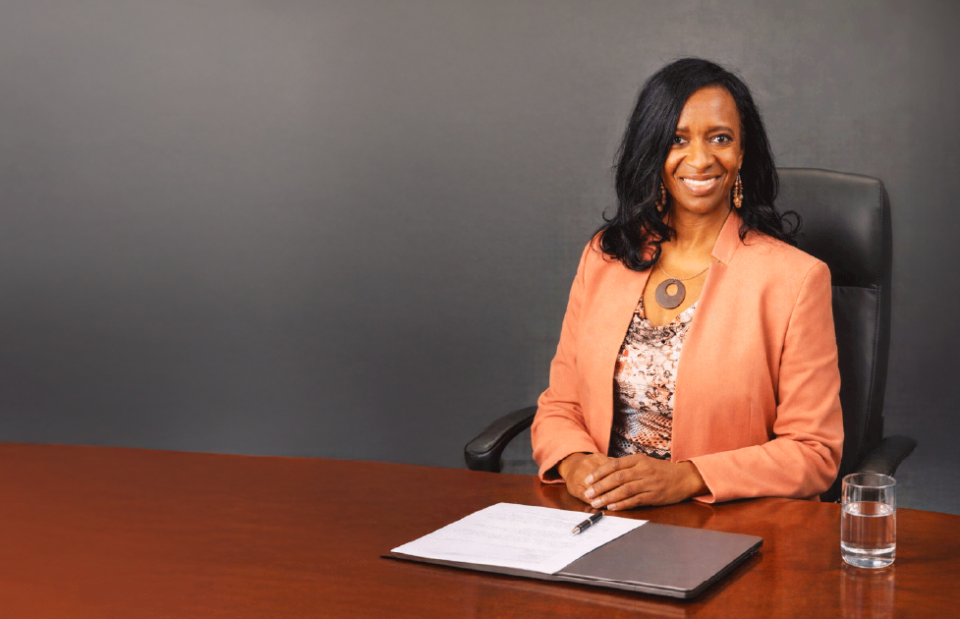
For me, that perspective formed while leading in rooms where I was often the only Black woman—and frequently the only woman—in Process Control Engineering at the leadership table. Not as a defining title. Just as a lived reality.
And over time, that experience shaped how I lead, how I build credibility, and how I solve complex problems.
What It Means to Be the Only One in the Leadership Room
When you are the only one in the room, you quickly learn that presence alone is not enough.
You learn to show up prepared. You learn consistency. You learn your voice carries weight because it is steady, clear, and reliable.
You also learn something more subtle: awareness.
You begin to read rooms differently—when to speak, when to listen, and how to communicate in a way that bridges perspectives instead of widening gaps.
These are not just survival skills. They are leadership skills.
From Being Present to Leading with Influence and Impact
Early in my career, success looked like proving I belonged in the room.
Over time, that shifted.
Success became less about proving and more about contributing—bringing clarity to technical problems, optimizing systems, and helping teams move forward.
That shift—from presence to influence—is where leadership becomes real.
And in many ways, being the only one in the room accelerated that shift. It required intentional growth, discipline, and a deeper awareness of how I showed up in every interaction.
Building Leadership Credibility Through Problem-Solving and Action
Credibility is not built through position—it is built through problem-solving and trust earned over time.
For example, one of the ways I built credibility quickly was by removing known barriers and pain points for different individuals on the team. When people are stuck in recurring issues, delays, or unclear processes, removing those friction points builds immediate trust. It shows that leadership is not theoretical—it is practical, responsive, and useful.
That approach became a pattern in how I lead:
- Identify what is slowing people down
- Remove unnecessary friction
- Make the path forward clearer
- Help teams regain or sustain momentum
Over time, that consistency builds influence faster than titles ever could.
Leadership Development: Building People, Not Just Processes
I’ve used my unique experience to open doors for others—creating growth opportunities that may not have otherwise existed. That has required deliberate focus on developing people, strengthening technical capability, and expanding individual confidence to operate at their highest potential.
Strong individuals build strong teams. Strong teams deliver consistent results.
That belief has become a foundation of how I lead today.
At this stage in my career, that work is both meaningful and deeply rewarding. The experience of leading as the only one in the room builds a level of awareness and discipline that carries into every aspect of leadership.
Building What Comes Next: Empowering Women and Mom Entrepreneurs
I’ve also seen a broader pattern throughout my career—especially among women, and particularly moms with vision and ideas.
Many carry ideas, creativity, and even business potential, but lack a clear structure to move forward. Not because they are incapable—but because they are often balancing multiple roles without a defined execution path.
As moms, we wear many hats. We are managers of much. But that does not mean our ideas have to wait.
I understand that personally. I am an engineer, inventor, author, and life vision coach—but most importantly, I am a mother of four sons. I’ve lived the tension of balancing career, family, and entrepreneurship while still pursuing what I’ve been called to build.
That perspective allows me to guide others—not just in what to do, but in how to move forward with clarity, structure, and intention.
Because ideas don’t expire—they just need direction.
Final Thought: Leadership Impact Is Measured by People, Not Position
Leading as the only one in the room was never the goal. But it became part of how I was shaped as a leader.
And over time, I’ve learned that leadership is not defined by where you sit at the table—it’s defined by how you show up for others once you’re there.
For me, that has meant using every opportunity to develop people, remove barriers, and create space for others to grow.
Because the impact of leadership is not measured by position—it is measured by people.
And now, the focus is no longer just being in the room.
It is on helping others grow, lead, and reach their full potential.
Research from organizations like McKinsey & Company and Harvard Business Review continues to highlight the importance of diverse perspectives in leadership and decision-making.


